
We all want to have a fair, equal, and effective say in the legislative decisions that affect us. But does our current system do that as well as it could? Probably not.
Let’s talk about the Electoral College: how we elect our president. The Electoral College is something of a compromise between representative voting (your elected officials voting for you and everyone else in the district) and popular voting (everyone’s votes being counted individually). Every congressional district elects an elector, who then votes for a presidential candidate.
However, these electors are a confusing matter. They are individuals with some form of connection to a presidential candidate and their party, sworn to vote for said candidate if they are elected. Since there is nothing in the Constitution stating that an elector must vote for the candidate they promised to, a grey area remains. Thankfully, ninety-nine percent of electors keep their word, meaning that this part of the election remains relatively unblemished as of yet.
The problem that most have with the Electoral College is the way the votes are counted. See, each district gets one electoral vote—538 nationwide—and that vote is for one candidate only. That means that if you didn’t vote for the winning presidential candidate of your district, your vote simply gets thrown away. No longer does it count in the process. This happens on an even larger scale statewide, with only the electors for the candidate with the majority of the votes going to Washington. So, even if your district elected one candidate, your district’s vote may go to a different candidate that the rest of your state voted for, not to who you truly want.
This wouldn’t be a problem if all of the districts had the exact same amount of people, but that is nearly impossible. There is no way to draw the districts perfectly, not to mention politicians trying to tamper with or gerrymander the districts. The danger of gerrymandering is that one side can strategically draw districts to give certain districts a greater say, or to give one party an unfair advantage. The result is that some people hold a greater say than others, and if those two districts vote for different candidates, one’s voters will have more power, giving them an unfair advantage that does not fully represent the will of the voters. So, whether erroneous or malicious, the Electoral College is not a very accurate way to elect our president.
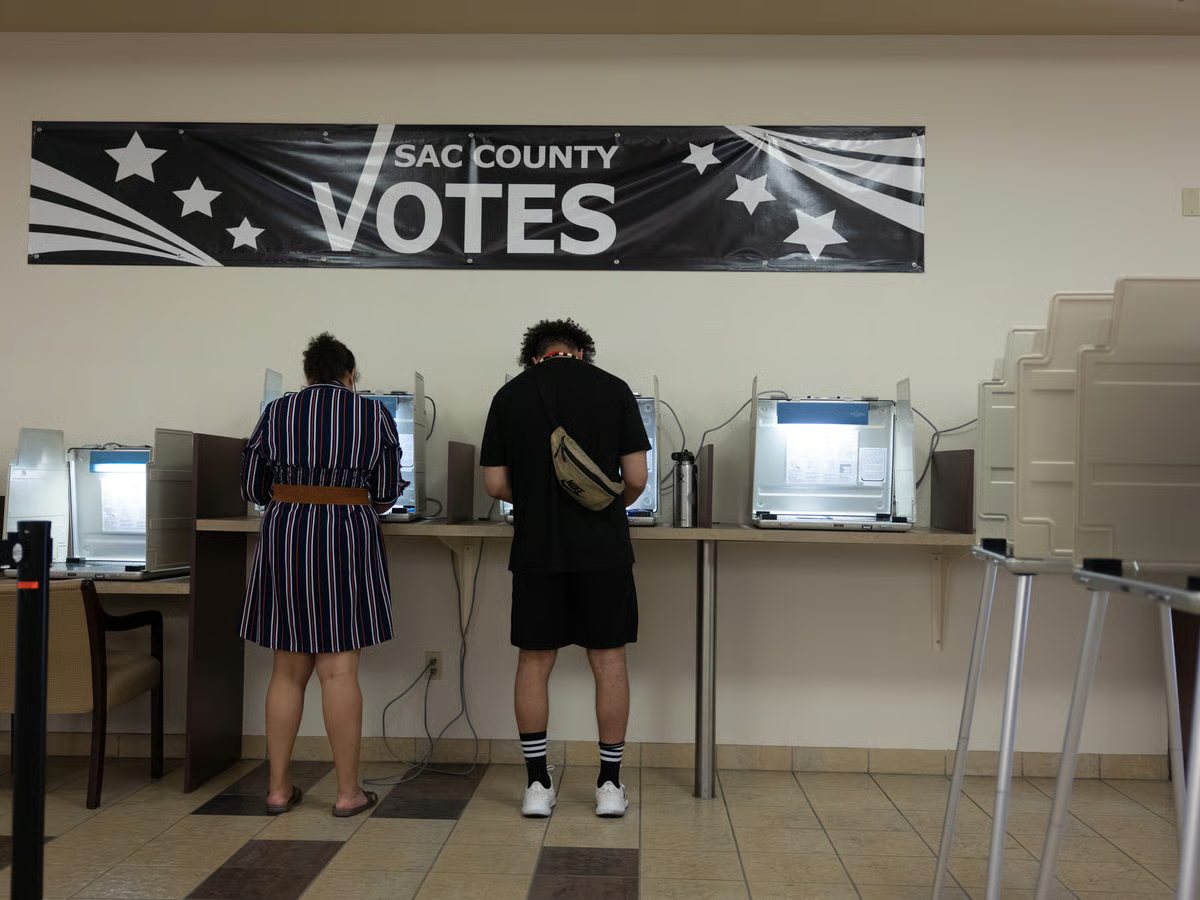
The popular mentality is to replace the erroneous Electoral College with a nationwide popular vote where everyone’s vote gets counted centrally and weighed equally, regardless of where the vote originated. This is not just a recently brought up topic. In the past 200 years, there have been 700 propositions to abolish the Electoral College. On top of that, all of the rest of our elections are run simply by popular votes. Thus, we know it works.
And speaking of popular votes, we can also do that more effectively. If there are more than 2 candidates, we can do ranked choice voting, the system of voting where you rank the candidates on your ballot, first, second, third choice etc. so that even if your top candidate doesn’t win, you can still support the next best person. This could help our voting by more accurately reflecting the will of the people and putting the best possible official into office, benefitting everyone.
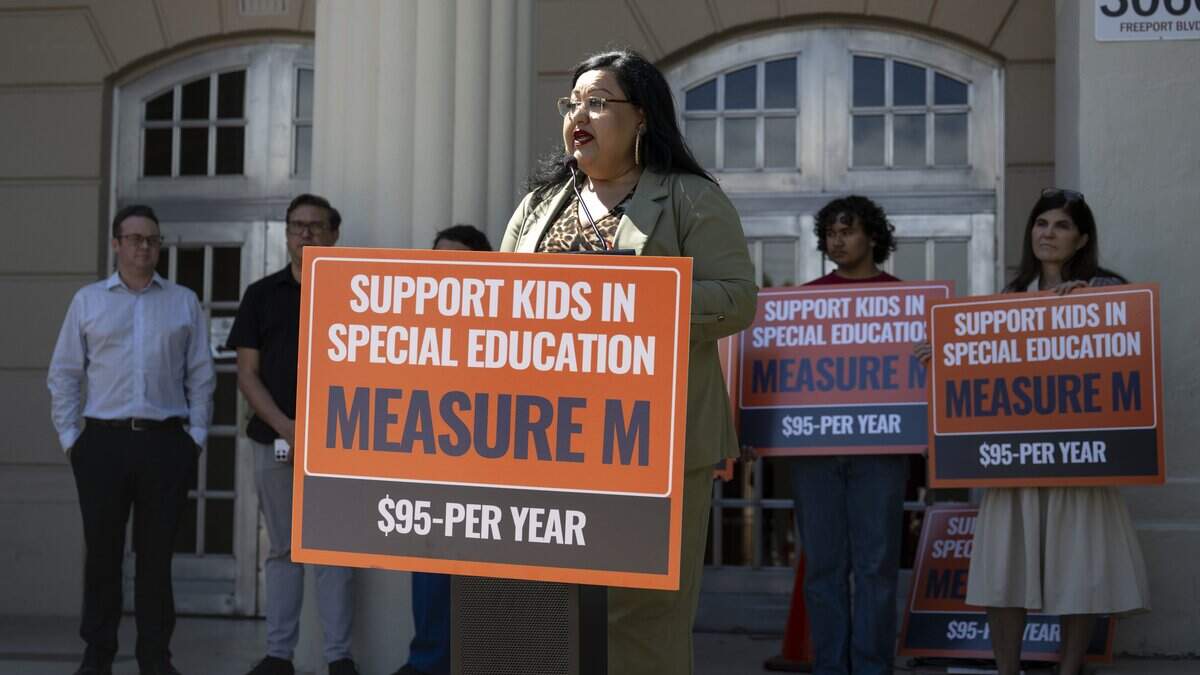
So far we’ve found a better way to elect the president and have a better popular vote. Now we need to talk about another voting inadequacy: proposition voting. Proposition voting is when the public votes on state decisions such as policies and initiatives, which seems good, but is actually inaccurate and inefficient. We elect our officials so we have people whose whole job and focus is to make smart, informed decisions about what happens in their city, state, country, and so on. The general population, on the other hand, is getting less informed everyday and cannot be counted upon to know about government matters. This is made especially clear by disinformation campaigns and monied interests that easily sway voters and proposition outcomes. So, to let the general public make our decisions instead of our representatives is simply letting amateurs control our federal affairs rather than the professionals.
Of course, one of the main reasons that people like propositions is that they don’t trust the politicians not to be biased or act not in the will of the people. That makes sense, except that we are overlooking the fact that ordinary citizens have just as much potential to be biased and to act just for themselves as politicians. What’s lacking is the extensive experience and knowledge that most legislators possess. All things considered, it’s best to leave the decisions to the government, allowing our legislators to get more done.
So here we are presented with two alternatives for voting that give us a better and more efficient way of controlling what’s going on in our country; to elect officials, the goal is for every citizen and their vote to possess equal weight. Elected in this way, our elected officials must be allowed to use their expertise to give us the best served and supported homeland we can achieve.