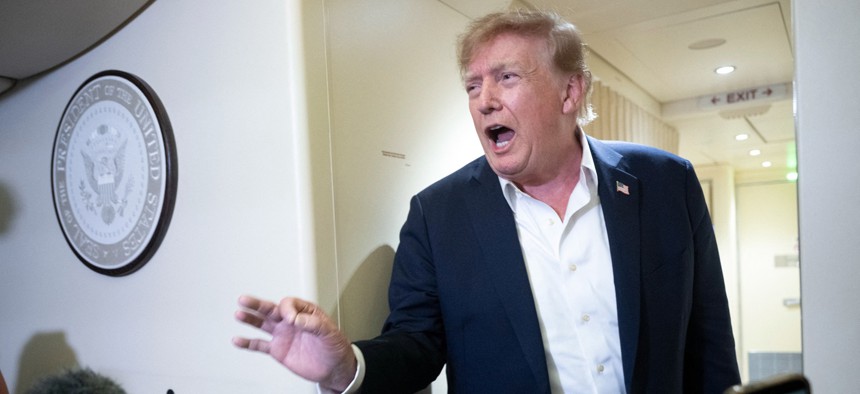

On Monday, September 14, the Trump Administration initiated another action in its continuing crusade to dismantle climate laws. The announcement was made at a G20 Energy Ministers meeting in Texas and entailed a repeal of all laws controlling the amount of emissions that fossil fuel (coal, oil) burning power plants can produce.
The EPA said that this would “add stability to the grid” and save $310 million that could go towards the environment and benefits. However, this is very much an attack on public health. Rachel Cleetus, senior policy director of the climate and energy program at the Union of Concerned Scientists says “the Trump Administration is once again intent on putting the interests of fossil fuel polluters above the health and wellbeing of the American people”. This isn’t unfounded. Experts predict that this rollback of regulations puts over 3,296 lives prematurely at risk. This doesn’t count the lives put in peril by the much more dangerous working conditions of fossil fuel plants as opposed to the relatively safe renewable energy conditions. This is not new information; the EPA in fact stated in 2009 (but overturned in the Trump Administration) that greenhouse gas emissions “pose a threat to public health”. The EPA also argues that greenhouse emissions from power plants “have no material impact on public health”. This is, however, inaccurate. Coal and gas burning power plants are the second largest source of air pollution in the United States (after transportation) equating to 25% of the nation’s greenhouse emissions and 3% worldwide. With this great a slice of the climate change pie, this act could prove catastrophic to the environment and seems to be made in ignorance of warning signs.
This is because the administration’s decision was announced just days after the U.N. released a report stating “the world is about to reach a key climate threshold meaning that countries need to take more intensive actions to cut carbon pollution while also intensifying efforts to adapt to increasing climate change fueled heat, storms and floods.” This is very much affecting our home,and we are not exempt from it as the United States has been the victim of increasing heat (last year was the third hottest year in the history of the world on record), floods, and storms, all of which increased in number and magnitude during the climate crisis.
This is not the first attack on environmental laws perpetrated by the Trump Administration. The 2024 Obama- and Biden-era laws were on track to reduce carbon emissions by 75% since their 2005 peak. Biden followed up with even more vehicle pollution regulations and EV and clean energy infrastructure. The Trump Administration has cut all of these, including rolling back all vehicle pollution limits in February, and now the EPA is threatening to take away its own authority to enforce environmental codes on power plants. That means, if they go through with it, future administrations would not be allowed to change the codes either, making it–in effect–permanent.
Let’s look at some more of the motive behind the latest MAGA move. President Trump said that removing these sanctions on power plants will create more government revenue. He has already ordered two coal burning plants that were supposed to close in July to stay operational past their closing dates. The Administration has claimed that these plants will provide over $100 million in funding for two new fossil fuel power plants, but these will have newfangled carbon capture technology, so they will be more sustainable.
Yet leaving the two plants open past their safe operational dates, plus the EPA’s threat to make their decision permanent–not to mention the almost aggressive repealing of many previous environmental laws and infrastructure all in one and a half years–could suggest a plan not so well thought through and not as effective in the long run.
While the whole point of the repeal, according to Trump’s EPA, was to bring in revenue and decrease the price of energy, many experts believe otherwise. Currently, with widespread clean power in its infancy, it proves quite costly because of initial costs to build up all of the infrastructure, which costs a lot of money. Right now, fossil fuel is cheap, but that will not last as long as our oil and coal reserves are nearing depletion and wars cut off most of the oil flowing through the Strait of Hormuz. Clean energy, on the other hand, has a chance to flourish in the future. In the long run, once all of the infrastructure is in place, renewable energy could become very cheap, much cheaper than fossil fuels because renewable energy is by definition, renewable. People won’t have to pay for renewable fuel sources (wind, water and sunlight) because they are free and won’t be depleted. Oil and coal, though, will have continual costs because it has to be extracted from the ground, and then transported, which costs a lot of money.
Another key argument in defense of the rollback is that fossil fuel energy will be more consistent and reliable, controlled by people and not by the whims of Mother Nature. This point makes a lot of sense, but short term stability to the grid could mean long term instability to the economy. All of American industry for the past six years has been moving in the direction of lowering carbon emissions and gearing up for the jump to clean power. To pull a switch like this means that many companies and organizations will have to change their focus and heading. This could throw the country into turmoil because companies and nations can’t just turn around so fast. Many renewable energy companies could be forced out by the newly government-supported fossil fuel companies, which could result in a loss of jobs.
This repeal could also create a strong tide of opposition that could throw a lot of decisions into chaos and give our already choked legal system another thing to sort out. Opposition is, in fact, already occurring. On September 17th, a class action lawsuit was filed by the Environmental Defense Fund with the Natural Resources Defence Council, American Lung Association, American Public Health Association, Clean Wisconsin, and the Clean Air Council, at the U.S. court of appeals in Washington DC. The spirit of the opposition is very well summed up in the words of Lawrence Hafetz, legal director of the Pennsylvania based Clean Air Council: “The EPA is senselessly discarding readily attainable carbon standards for power plants mere weeks after the U.N. showed the world on a trajectory to exceed the heating limit needed to avoid severe levels of economic, ecological, and social disruption.By rolling back these critical protections, millions of Americans will get sicker, face more extreme weather, and pay more for energy and electricity, with vulnerable communities suffering the most. The EPA is supposed to protect people and the environment, not rewrite the rules to benefit polluters.”
The Trump Administration’s rollback, and the resistance to it, will greatly impact our everyday lives. Stay informed and let your voice be heard.