
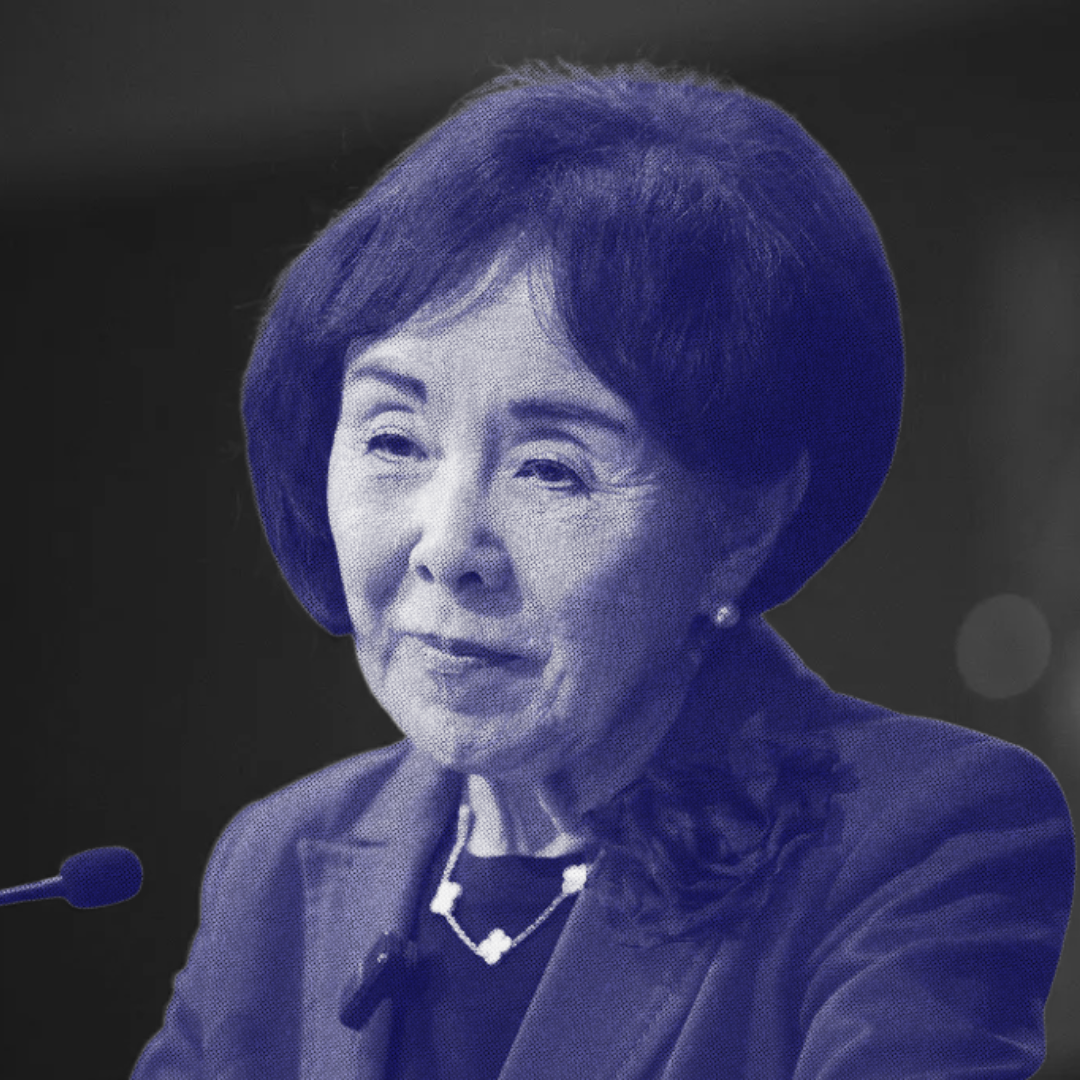
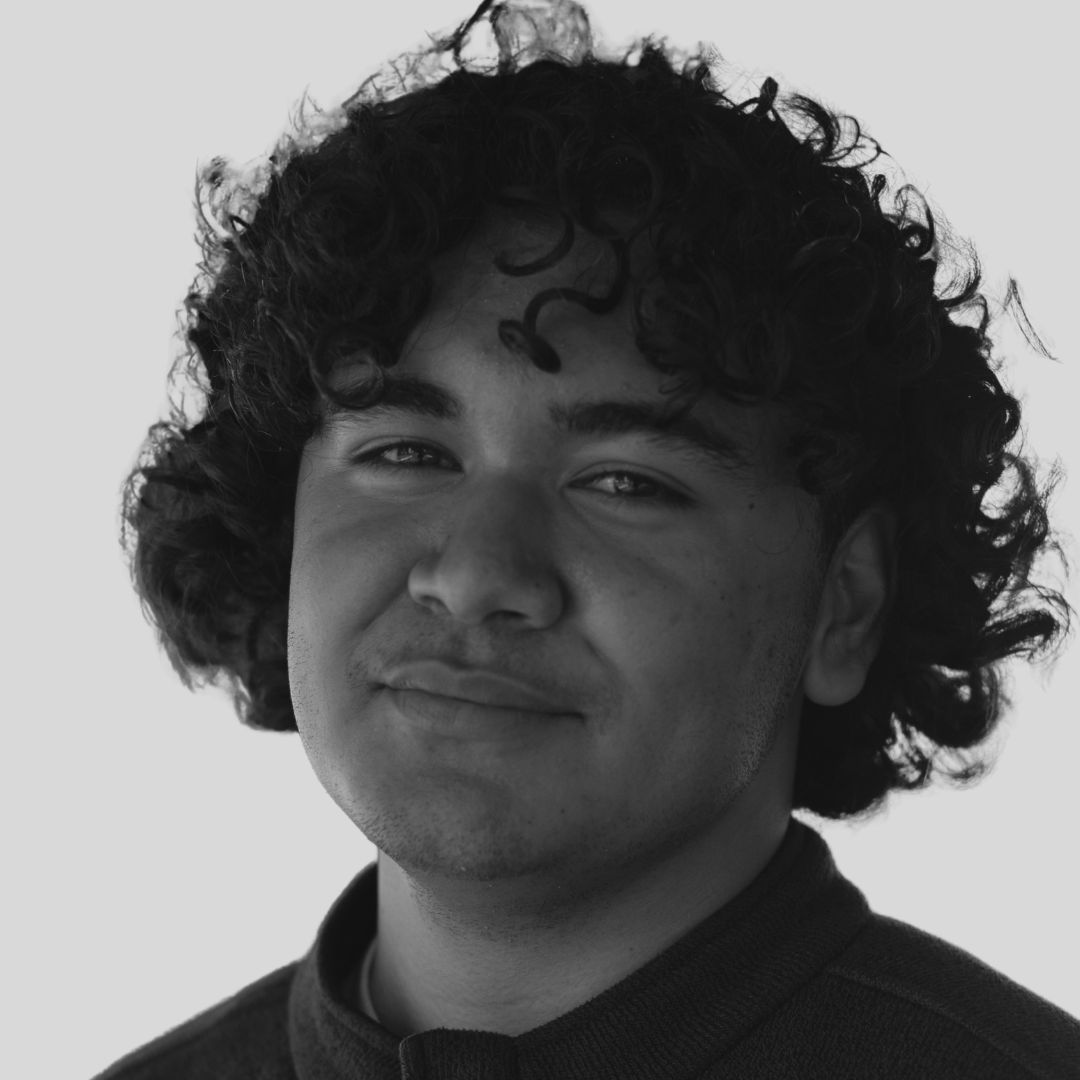
Doris Matsui, a democrat, has represented Sacramento in Congress for twenty years. She’s served ten terms—nine of which I’ve been alive for. I’m 17. For many people my age, she’s simply always been our member of Congress. She’s been in office as long as all high schoolers in Sacramento have been alive.
I have respect and appreciation for Congresswoman Matsui’s tenure of public service, but I must acknowledge that Sacramento has changed. We have shifted more towards the left, as evidenced by political movements in Sacramento started by young people.
Matsui does not represent most Sacramentans anymore.
Emerging young voters and youth leaders are vocally for politically left stances. More youth today believe in the abolition of ICE and the liberation of Palestine, something that older establishment Democrats do not stand for.
Sacramento in 2026 isn’t the Sacramento of 2005, when Matsui first took office. Over the course of Matsui’s time in office, the city has seen a growing shift to the left.
Progressive Democratic candidates and grassroots campaigns have reshaped politics nationwide. With that, Sacramento, too, has been reshaped politically. As a result of this shift, politicians like Matsui, who were considered ‘progressive’, are now considered to be moderate.
Sacramento has, for lack of better words, outgrown Matsui. There are two important areas where Matsui differs from Sacramento: political stances and proportional age representation.

Political Stances
Across California’s 7th Congressional District, more voters are embracing positions like abolishing ICE, rejecting contributions from corporate Political Action Committees (or PACs), and opposing U.S. military support for Israel’s war in Gaza, which many human rights advocates and international observers have described as genocide.
Congresswoman Matsui has generally taken more moderate positions on these issues. During her 2026 campaign for the U.S. House, she continues to accept significant corporate PAC funding from telecommunications, pharmaceutical, utility, and technology interests.
Federal Election Commission filings by the Matsui for Congress Campaign in 2024 show PAC contributions made up more than 70% of her campaign funding, including donations from PG&E, T-Mobile, Verizon, and Intel.
Matsui has also accepted more than $221,000 in contributions tied to pro-Israel lobbying networks and bundlers, including American-Israel Public Affairs Committee-aligned sources. Matsui is considered to be left wing, but accepts campaign contributions from AIPAC, the unequivocal supporters of the right-wing genocidal Israeli government and Benjamin Netanyahu. Sacramento, for the most part, stands against that. We have ideologically changed, but Matsui has not changed with us.
Matsui has voiced support for immigrant communities and openly supported the Sacramento student walkout in January, calling to abolish ICE. However, she has not endorsed abolishing the agency itself.
Age and Representation
I believe experience matters in Congress. But representation also means understanding the everyday hardships and experiences that shape the lives of all constituents.
Congresswoman Matsui is 81. Sacramento’s median age is about 36, one of the largest generational gaps in California’s congressional delegation.
When long-serving members at older ages retire from office unexpectedly, or in some cases, pass away, districts can go months without representation while special elections unfold. In a closely divided House, even a single vacancy can matter.
After the death of Arizona Congressman Raúl Grijalva in 2025, constituents of Arizona’s 7th Congressional District went months without a voting representative while a special election was organized and the winner was sworn in. During that period, the House operated with one fewer Democratic vote in an already closely divided chamber.
Grijalva’s presence was especially crucial in a discharge petition that sought to force a House vote on the release of Jeffrey Epstein–related files. Discharge petitions require 218 signatures. This specific discharge petition was left at 217 until his successor, Adelita Grijalva, was elected to fill the seat. The loss of a representative can temporarily disenfranchise hundreds of thousands of constituents.

The Choice Ahead
Sacramento’s political identity is evolving toward leaders rooted more in movements than institutions. It isn’t who has served the longest. It’s who best represents Sacramento that we are becoming.
This June, Matsui faces a primary challenge from Sacramento City Councilmember Mai Vang, whose ideologies reflect this generational and ideological shift. Her campaign has drawn strong support from younger and more voters with progressive politics, while more moderate Democrats remain divided about replacing a long-serving incumbent.
Vang now boasts endorsements from a large body of young Democratic organizations in Sacramento County. The Sacramento County Young Democrats, the Sacramento County High School Democrats, the California High School Democrats, the Sacramento State Young Democrats, the California Young Democrats, the Davis College Democrats, and the Latinx Young Democrats of Sacramento County all have endorsed her bid for Congress.

California’s 7th District will almost certainly remain Democratic. It’s up in the air as to what kind of Democrat Sacramento voters want to send to Congress for the next term.
Doris Matsui has taken care of Sacramento for twenty years. But representation isn’t a Supreme Court appointment. It’s a trust that voters renew or choose to pass on.
Sacramento today is younger and more progressive than it was two decades ago. The question for Sacramentans is not whether Doris Matsui has served us well.
The question is whether Sacramento is ready for the next generation to lead.