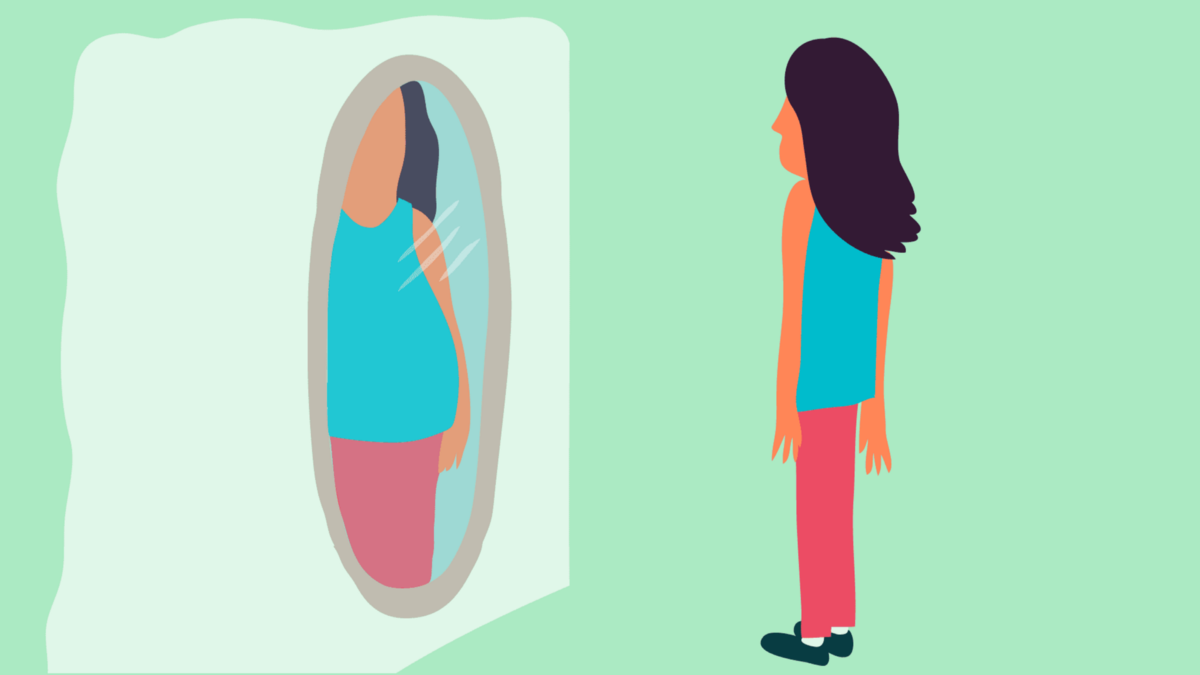

February was National Eating Disorder Awareness month. Let’s talk about it.
In most spaces, there is a stigma surrounding mental health–how it is often the butt of a joke and diminished because it is “cringy” and uncomfortable to discuss. Even less talked about are eating disorders, despite, unfortunately, being incredibly common. In a survey conducted among West Campus students, 29 out of 40 respondents reported struggling with an eating disorder or disordered eating. Of all mental illnesses, eating disorders are associated with the highest mortality rate, alongside depression and schizophrenia. The prevalence of suicidal thoughts as well as the physiological consequences of malnutrition contribute to thealarming danger of eating disorders. Many affected individuals end up not receiving the help and care they need because they worry that they would be placing a burden on the people around them if they went public, a difficult leap to take when already grappling with enormous feelings of shame and worthlessness.
What are eating disorders?
Eating disorders are mental illnesses that often go unnoticed, due to their subtle, internalized nature. There are two terms that often float around when in regards to this topic: eating disorders and disordered eating. Although they may sound extremely similar, there are nuances that distinguish the two. Disordered eating describes any irregular patterns, and is typically not formally diagnosed. Eating disorders are based on highly specific medical criteria and often lead to subsequent physical and psychological intervention. Disordered eating can be a precursor to a full-blown eating disorder given it is left unaddressed. It is notable that there is a gamut of complex risk factors that may increase the risk of developing an eating disorder, i.e. stress, family history, and environment.
Many people who are struggling with an eating disorder or disordered eating patterns will tend to feel that they are not “sick enough” to warrant getting help, that their suffering isn’t valid because they are not thin enough, don’t engage in certain harmful behaviors, etc. This misconception is common, because health is extremely multifaceted and not based solely on how someone’s body looks or how sick they perceive themselves to be. There is no one specific look someone suffering with an eating disorder should have, making it easy for them to go unnoticed. Anyone who is struggling with either disordered eating or an eating disorder is encouraged to seek professional help and can, in most cases, benefit from doing so.
What are common types of eating disorders?
- Anorexia nervosa, or anorexia, is characterized by an intense fear of weight gain and the need to be thin. This eating disorder is frequently accompanied by excessive exercise to lose weight and caloric restriction.
- Bulimia nervosa, or bulimia is characterized by repeated binging, followed by purging, by abusing laxatives or vomiting. Binging is a pattern of disordered eating that involves a feeling of loss of control, causing one to overeat to the point of discomfort. This creates a vicious binge-purge cycle that can be incredibly challenging to escape.
- Binge eating disorder (BED) is characterized by episodes of uncontrolled binge eating beyond feeling comfortably full. While not followed by purging, there are often feelings of shame and self-hatred.
- Other specified feeding or eating disorders (OSFED) refers to cases that do not quite meet all clinical criteria for anorexia, bulimia, or binge eating disorder.
How does social media contribute to the prevalence of eating disorders?
As a society, we have become significantly more dependent on social media in recent years, whether just doom-scrolling, procrastinating, or numbing reality. Hence, there is a serious risk associated with social media usage in regards to mental health. Studies show that there is a clear link between social media and the development of eating disorders. Although it is not always the direct cause of an eating disorder, it can promote symptoms and become a source of stress and comparison. For example, there are pro-eating disorder communities, e.g. “pro-ana” or “pro-mia” on various platforms that encourage negative behaviors, such as excessive exercise and drastic calorie restriction, which can be incredibly triggering, particularly for younger, susceptible audiences. Not to mention, social media provides a wealth of misinformation on diets, fitness, and weight-loss medication, creating additional confusion.
Who do they affect?
Eating disorders affect people of all genders, ages, sexual orientations, and ethnicities. There exists a harmful rhetoric that they only affect particular demographics, but that is absolutely untrue. Individuals from marginalized groups struggling with an eating disorder may feel even more ashamed to seek help, because they feel that this “isn’t something that should affect them.” These stereotypes are often exacerbated by media, i.e., movies and TV shows, that largely focus on portraying the physical aspect of eating disorders with the thin white girl archetype, and glazing over the fact that it is a mental illness. Notable examples include Starving in Suburbia (2014) and To The Bone (2017).
How to support someone who may have an eating disorder?
If you suspect that a friend or family member may be suffering from an eating disorder, the worst thing to do is to place blame or accuse them of wrongdoing. All this does is make them feel guilty and ashamed, while in reality, these unhelpful thoughts have already run through their mind endless times. What you can do instead is approach them with utmost respect and sympathy, and let them know you are here for them, and potentially help them get in contact with professional help. This will never be an easy conversation to have, regardless of your relationship with the person, but it will ultimately help someone that you love and care about to get better and recover.
What are some signs someone may be struggling?
Some signs a loved one may be struggling with an eating disorder include, but are not limited to:
- Having rigid “food-rules” or specific rituals that interfere with everyday life
- Severe restriction (caloric or omitting certain food groups)
- Hoarding food
- Excessive use of laxatives
- Excessive exercise with the intent to burn calories
- Changes in mood, particularly during meal times
Resources
Below are some resources that could provide further information about eating disorders and how to pursue professional intervention: