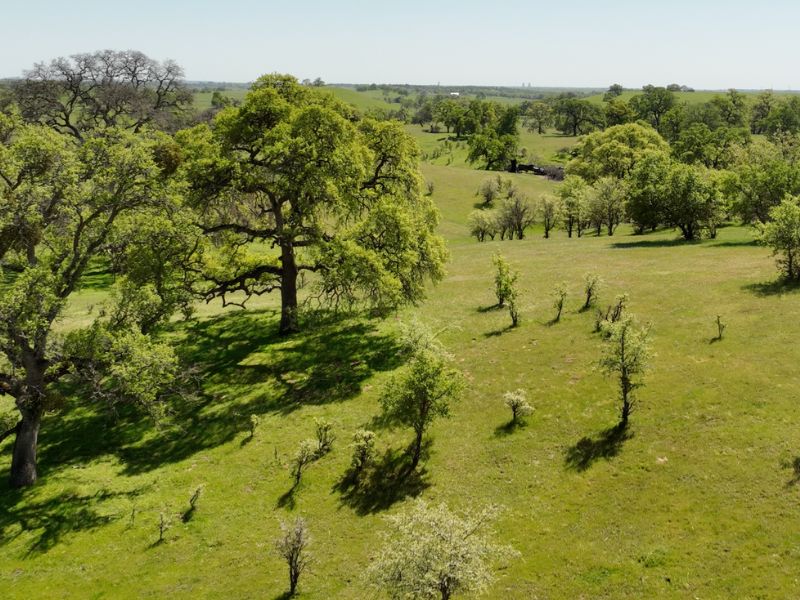

After months of communal resistance, the fate of the approved Coyote Creek Agrivoltaic Ranch remains uncertain. The solar energy project set to be built just 13 miles south of Folsom was approved by the County of Sacramento after being put to a vote on November 18th of last year. However, it has met strong public scrutiny from local environmental organizations, tribal groups, and individual citizens alike. The situation was complicated further when, early this January, the Sacramento Municipal Utility District (SMUD) yielded to concerns and scrapped their agreement to purchase power from the solar farm—leaving the project and its developers, D. E. Shaw Renewable Investments, without any patronizing power distributors.
At this time, the project is also involved in a lawsuit filed by the California Native Plant Society and the Environmental Council of Sacramento against the County, pursued the day after the it’s approval of the Ranch. The plaintiffs singled out the County’s Final Environmental Impact Report as being “so deeply flawed that it is insufficient to support informed decision-making [in relation to the project].” The main issue is environmental.
The 2,704-acre project area encompasses rare habitats like valley grasslands, wetlands, and vernal pools—ninety percent of which have already been destroyed in California by human development. These ecosystems under threat of destruction here are highly productive and sustain local biodiversity, while performing services for Sacramento residents as well. For example, the site would also kill over 3,000 native, drought-tolerant Blue Oak trees, according to the Environmental Council of Sacramento, some of which are over two-hundred-and-fifty years old. Not only do these trees provide habitat to resident and migratory birds, but they also play an important role in sequestering large amounts of carbon dioxide and pollutants from our atmosphere, thereby cleaning the air we breathe.

The wetland habitats, of course, perform similar miracles for our water. They filter pollutants and recharge clean drinking water underground, reducing the need and cost of purification. But perhaps most crucial of all, these wetlands reduce potential damage from flooding because, as explained by the International Institute of Sustainable Development, they “absorb a significant amount of water and temporarily store it—imperative when inundated with excess water.” The wetlands’ water stores also come in handy during a much more common California occurrence: drought.
When habitats like these are gone, so too are all their services. And it’s not like we can just put them back together again; oaks would take hundreds of years to grow to a similar size as seen on the site—vernals pools and wetlands take millions.
It’s important to note briefly: this project’s approval comes from a county that has in the past fifty years pushed for and approved the development of the Natomas Basin in North Sac and of other regions, replacing vast swaths of wetlands and vernals pools with single family homes. While these decisions have yielded temporary profit for developers, one cannot reasonably predict long term stability, safety, or profitability from this area, for despite hundred-million-dollar efforts to engineer against floods, it is known as one of the nation’s most at-risk areas for catastrophic flooding. That’s a lasting consequence of habitat removal and short-sighted development disguised as preparation for the future. Will such decisions be repeated?
As thus illustrated, the importance of keeping this site and sites like it intact and the consequences of its destruction cannot be understated; yet, these externalities are not consistently tabulated when weighing the pros and cons of development. Promises of immediate profit often prevail. Such is the case with the Coyote Creek environmental report, local advocacy groups attest.
Coyote Creek has also generated opposition from regional tribal groups. The Shingle Springs Band of Miwok Indians, along with the Wilton Rancheria, have expressed strong discontent with the project’s outlines, expressing fears at the loss of communal and cultural resources, and the disruption of traditional burial sites. This marks an additional social cost to the already steep environmental toll of this solar farm’s construction.
In times like these, while community advocates battle in town halls across the country to contest the construction of data centers for artificial intelligence, the judgement in this lawsuit will set a crucial precedent for similar development in Sacramento and the surrounding area. Luckily, Sacramento seems to have some vocal advocates for environments such as these, as one Sacramento Splash employee confided in me, No doubt, these lands will come under proposed areas of development in the future, and will require defending down the line.
As always, the question remains as to whether the land-use decisions of Sacramento’s leadership will continue to prioritize short-term profits for developers over shared, sustainable profit for communities delivered through costs saved, damages avoided, and expanses of natural beauty protected.